Figure: MotoGP. Source Google image
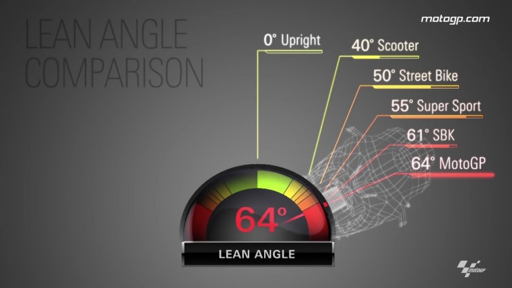
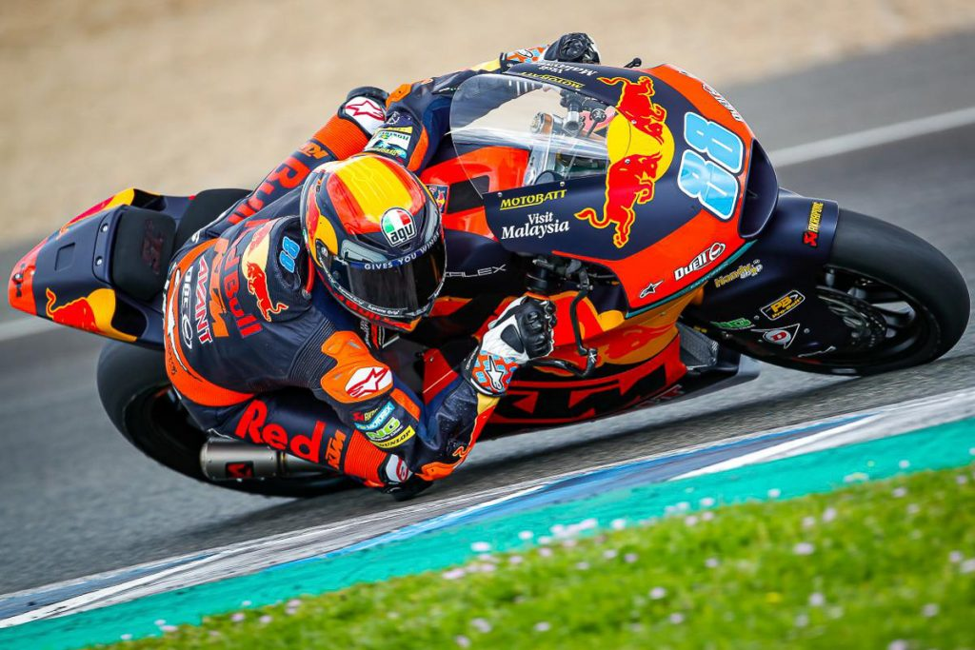
In the world of 1000cc superbike racing, victory isn’t won on the straights; it’s earned in the corners. Watching a rider approach a hairpin at over 250 km/h, brake violently, and then plunge the bike into a staggering 64-degree lean angle is a spectacle that defies common sense. At this extreme orientation, the rider’s knee pucks skim the asphalt, creating a cloud of sparks, while the massive machine seems to hover, miraculously, on the ragged edge of adherence. To the uninitiated, it looks like a low-side crash froze in time. But it’s not magic; it’s a masterclass in fundamental physics.
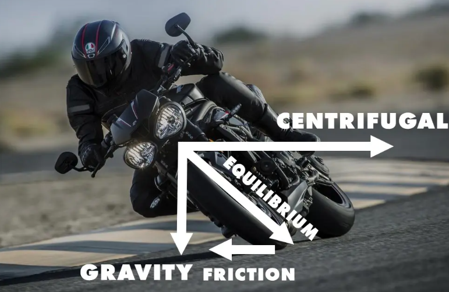
The reason the rider does not fall over is the dynamic balance of two opposing forces: gravity and centrifugal force. While gravity tries to pull the combined mass of the bike and rider straight down toward the tarmac, the high-speed turn generates a powerful outward inertia, often called centrifugal force. At 60 degrees, the rider has positioned the system's center of gravity precisely so that the resultant vector of these two forces passes directly through the tiny, deformed contact patch of the tires.
This precise alignment creates a state of equilibrium. Simultaneously, the tires must generate immense centripetal force via friction to push the bike inward, preventing it from sliding off the track. A 1000cc race is a relentless test of this balance, where riders apply torque to the handlebars—a technique known as countersteering—to initiate these radical leans, relying on science to stay upright while traveling at the very limit of possibility.
References:
Martel, C. (2021, August 24). Motorcycle physics that keep you safe. WebBikeWorld. https://www.webbikeworld.com/motorcycle-physics-that-keep-you-safe/
Carter, S. (2002). The physics of motorcycle roadracing. University of Alaska Fairbanks. http://ffden-2.phys.uaf.edu/211_fall2002.web.dir/Sarah_Carter/index.html
OreoGaborio. (2015, July 11). How many G's does a rider experience in a turn? Here's my answer. (caution: physics inside) [Online forum post]. Reddit. https://www.reddit.com/r/motorcycles/comments/3cwzjr/how_many_gs_does_a_rider_experience_in_a_turn/
written by
Gs. Dr. Ya’akob Mansor, IGRSM
Senior Lecturer, Unit Physics
Centre of Foundation Studies in Science
Universiti Putra Malaysia (UPM)
43400 Serdang, Selangor Darul Ehsan
MALAYSIA
Date of Input: 07/08/2026 | Updated: 07/08/2026 | hasniah
MEDIA SHARING