Bamboo often celebrated for its strength and sustainability. Beyond its structural and aesthetic applications, bamboo harbours a rich profile of bioactive compounds that contribute to its emerging role in health and wellness. Recent scientific investigations have illuminated the therapeutic potential of bamboo-derived phytochemicals, positioning this plant as a promising candidate in nutraceutical and pharmaceutical development.
Bamboo in Traditional Medicine 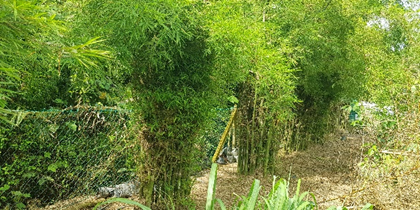
For centuries, bamboo has played a vital role in traditional medicine across many Asian cultures, with various parts of the plant used to address a wide range of health concerns. Bamboo leaves have traditionally used to been consumed as a medicinal soup, made by boiling the leaves to extract their active compounds. The bamboo leaves soup used to reduce fever and alleviate inflammation (Liu et al., 2008; Xie et al., 2013). Bamboo shoots, while celebrated as a culinary delicacy, it also offers medicinal value as well. They are used to support digestion, aid in weight management and lower cholesterol due to higher fibre, vitamins and minerals contents (Sahoo et al., 2014; Acharya et al., 2024). Meanwhile bamboo sap is served as a health tonic and traditionally used to treat respiratory ailments such as asthma and coughs (Liu et al., 2016). Additionally, bamboo charcoal has long been valued for its detoxifying effects, believed to absorb internal toxins and enhance digestive health and is applied externally to treat skin infections and wounds (Sugimoto et al., 2023).
Phytochemical Composition of Bamboo
Modern scientific studies shows that bamboo leaves, shoots and stems contain a diverse array of phytochemicals, including flavonoids, alkaloids, polysaccharides, coumarin lactones, phytosterols, anthraquinones and glycosides (Wang et al., 2024). Flavonoids such as orientin, vitexin and isoorientin are particularly abundant and have demonstrated potent antioxidant properties (Nirmala et al., 2014). Besides, phenolic acids like ferulic acid and p-coumaric acid also contribute to bamboo’s free radical scavenging capacity (Tundis et al., 2023). In addition, bamboo shoots are rich in dietary fibre, essential amino acids and minerals such as potassium, calcium and iron. Species like Bambusa vulgaris are particularly noted for their high mineral content such as potassium, phosphorus, iron, copper, calcium and magnesium (Jia et al., 2016). These compounds improve the gut health and exhibit antibiotic-associated diarrhea treatment. Current research on bamboo leaves primarily focusing on flavonoids and their pharmacological properties. Among these, four C-glycosyl flavonoids; orientin, isoorientin, vitexin and isovitexin are recognized as the key constituents. These compounds have demonstrated notable therapeutic potential in addressing cardiovascular, metabolic, and neurological disorders. These compounds collectively enhance bamboo’s nutritional profile and therapeutic potential (Cheng et al., 2023).
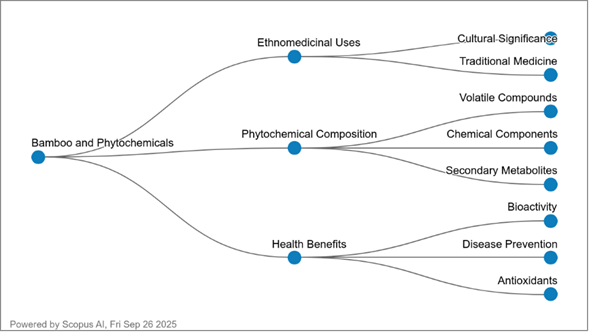
Figure 1: Concept map of health benefits of bamboo and its phytochemicals.
Proven Pharmacological Effects
Bamboo species are recognized as a rich of diverse bioactive compounds, many of which exhibit pharmacologically relevant properties including anticancer, antioxidant, antiinflammantory, antiviral, antibacterial and antihyperlipidemic activities (Noremylia et al., 2023).
Antioxidant and Anti-inflammatory Effects
Oxidative stress and chronic inflammation are implicated in the pathogenesis of numerous diseases, including cardiovascular disorders, neurodegenerative conditions and cancer. Bamboo flavonoids have shown significant antioxidant activity by neutralizing reactive oxygen species (ROS) and upregulating endogenous antioxidant enzymes such as superoxide dismutase (SOD) and catalase (Manohari et al., 2025). A study demonstrated that bamboo leaf extract reduced markers of inflammation in animal models, including tumor necrosis factor-alpha (TNF-α) and interleukin-6 (IL-6). These findings suggest that bamboo phytochemicals may modulate inflammatory pathways and offer protective effects against inflammatory diseases (Tundis et al., 2023).
Antimicrobial and Antiviral Properties
Bamboo extracts exhibit antimicrobial activity against a range of bacteria and fungi. Research done by Liu et al. reported that bamboo leaf extract inhibited the growth of Staphylococcus aureus and Escherichia coli, indicating potential applications in natural antimicrobial formulations (Liu et al., 2025). Moreover, preliminary studies have explored bamboo’s antiviral potential. Certain flavonoids in bamboo have been shown to interfere with viral replication mechanisms, although further research is needed to validate these effects in clinical level (Ruibo et al., 2018).
Metabolic and Cardiovascular Benefits
Bamboo shoot consumption has been associated with improved lipid profiles and glycemic control (Indira et al., 2023). The extract inhibits adipogenesis, aldose reductase and advanced glycation end products which in turn improve insulin signaling and glucose uptakes in several animal studies. The antioxidant properties of bamboo help in neutralize the reactive oxygen species which maintains body homeostasis and preventing the body from diabetic complications (Fitri et al., 2020). Study indicates that phenolic compounds such as flavonoids, flavone glycosides, phytosterols and polysaccharides of bamboo extract are mainly attributed to antioxidant properties of bamboo (Yang & Ling, 2025).
Conclusion
In conclusion, the phytochemicals found in bamboo, including phenols, flavonoids, phytosterols and alkaloids exhibit a wide range of health benefits, including antioxidants, antiinflammatory, antibacterial and antidiabetic properties. These properties make bamboo a promising source of bioactive compounds with therapeutic applications and potential nutritional value.
References:
Acharya, B., Behera, A., Sahu, P. K., Mishra, D. P., Purohit, S., Chowdhury, B., & Behera, S. (2024). Exploring the mineral content, nutritional, and phytochemical composition of aqueous shoot extracts of bamboo for ethnopharmacological significance from the Niyamgiri hill range, Kalahandi, Odisha, India. Advances in Bamboo Science, 9, 100110.
Cheng, Y., Wan, S., Yao, L., (...), Lu, C. (2023). Bamboo leaf: A review of traditional medicinal property, phytochemistry, pharmacology, and purification technology. Journal of ethnopharmacology, 306, 116166.
Fitri A, Asra R, Rivai H (2020) Overview of the traditional, phytochemical, and pharmacological uses of gold bamboo (Bambusa vulgaris). World Journal of Pharmacy and Pharmaceutical Sciences, 9(8):21.
Indira, A., Joshi, B., Oinam, S., (...), Chongtham, N. (2023). Potential of Bamboo in the Prevention of Diabetes-Related Disorders: Possible Mechanisms for Prevention. Environmental Footprints and Eco-Design of Products and Processes, 89-124.
Jia, S., Zhao-Qing Ding, Quan Gao, Hang Xun, Feng Tang, and Er-Dong Xia. (2016). Major Chemical Constituents of Bamboo Shoots (Phyllostachys pubescens): Qualitative and Quantitative Research. Journal of Agricultural and Food Chemistry, 64 (12): 2498-2505.
Liu, H.-C., Hsieh, C.-Y., Tsai, P.-W., Chou, T.-Y., Yang, S.-C., Chang, C.-H., Huang, Y.-P., Chien, C.-C., Lee, S.-C., Shih, H.-D., & Liu, Y.-C. (2025). Development and Applications of Bambusa stenostachya Leaf Extract in Personal Care Products. Processes, 13(1), 233.
Liu, M.H., Ko, C.H., Ma, N., Tan, P.W., Fu, W.M. & He. J.Y. (2016). Chemical profiles, antioxidant and anti-obesity effects of extract of Bambusa textilis McClure leaves. Journal of Functional Foods, 22: 533-546.
Manohari, R.G., Altemimi, A.B., Revathi, S., (...), Pirnia, M. (2025). Antioxidant activity study and GC-MS Profiling of Bamboo Seed Variety. Journal of Food Science and Technology, 22(160):13-34.
Nirmala, C., Bisht, M.S.& Laishram, M. (2014). Bioactive compounds in bamboo shoots: Health benefits and prospects for developing functional foods. International Journal of Food Science and Technology, 49(6):1425-1431.
Noremylia, M.B., Aufa, A.N., Ismail, Z., Hassan, M.Z. (2023). An Overview of the Potential Usage of Bamboo Plants in Medical Field. In: Palombini, F.L., Nogueira, F.M. (eds) Bamboo Science and Technology. Environmental Footprints and Eco-design of Products and Processes. Springer, Singapore.
Ruibo Li, Ryo Narita, Hiroshi Nishimura, Shinsuke Marumoto, Seiji P. Yamamoto, Ryota Ouda, Mitsuyoshi Yatagai, Takashi Fujita, and Takashi Watanabe. (2018). Antiviral Activity of Phenolic Derivatives in Pyroligneous Acid from Hardwood, Softwood and Bamboo. ACS Sustainable Chemistry & Engineering, 6 (1), 119-126.
Sahoo, S. A. & Mahesh, A. P. (2014). Impact of contamination by bamboo decomposition and lubricant oil leak and deterioration of Balimela reservoir water standard at Malkangiri of Odisha. National Journal of Life Sciences, 11: 1-6.
Sahu, S.K. & Panda, T. (2021). Patterns of plant use in religious offerings of Odisha. European Journal of Biological Research, 11(3): 307-314.
Sugimoto, K., Shinagawa, T., Kuroki, K., Toma, S., Hosomi, R., Yoshida, M., & Fukunaga, K. (2023). Dietary Bamboo Charcoal Decreased Visceral Adipose Tissue Weight by Enhancing Fecal Lipid Excretions in Mice with High-Fat Diet-Induced Obesity. Preventive Nutrition and Food Science, 28(3), 246–254.
Tundis, R., Augimeri, G., Vivacqua, A., (...), Loizzo, M.R. (2023). Anti-Inflammatory and Antioxidant Effects of Leaves and Sheath from Bamboo (Phyllostacys edulis J. Houz). Antioxidants, 12(6):1239.
Wang, H., Wu, B., Zhang, J., Liu, Y., Zhang, M., Chen, L., Zhao, W., Kan, H. & Cao, C. (2024). Bamboo shoots improve the nutritional and sensory quality, and change f lavor composition of chicken soup. Food Chemistry, 21, 101140.
Yang, Y., & Ling, W. (2025). Health Benefits and Future Research of Phytochemicals: A Literature Review. The Journal of Nutrition, 155(1), 87–101.
Prepared by:
Dr. Nur Akmal Ishak
Biology Unit,
Centre of Foundation Studies In Science Universiti Putra Malaysia (ASPutra).
Date of Input: 02/10/2025 | Updated: 02/10/2025 | hasniah
MEDIA SHARING