TITLE: THE POTENTIAL OF ULAM IN ALTERNATIVE MEDICINE
Traditional crops can be classified as medicinal plants, also known as ulam, which are very popular among the Malay community. Generally, research on ulam is still limited in terms of plant research and development in Malaysia. Most ulam growers are small-scale farmers without systematic planting techniques.
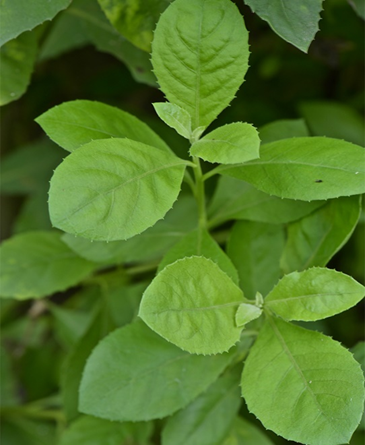
One of the ulam plants with potential and medicinal value is Beluntas. Its scientific name is Pluchea indica. This plant is commonly found in Malaysia and India. It can grow up to one meter tall and grow in a moist and sandy soil. The benefits of Beluntas include reducing high fever and increasing milk production for postpartum women.
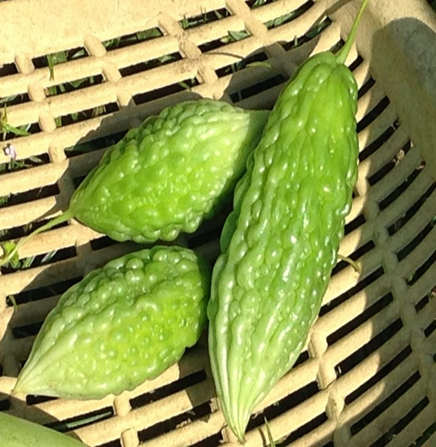
The second ulam is bitter gourd. Scientifically known as Colubrina asiatica. Bitter gourd is a long, green vegetable with a wrinkled surface. Its bitter taste may not be preferred to some people, but it has many health benefits. One of its main benefits is the ability to control blood sugar levels. Therefore, it is commonly consumed by people with diabetes as a natural supplement. Bitter gourd also has antioxidant and anti-inflammatory properties that can help to prevent chronic diseases such as cancer and heart problems.
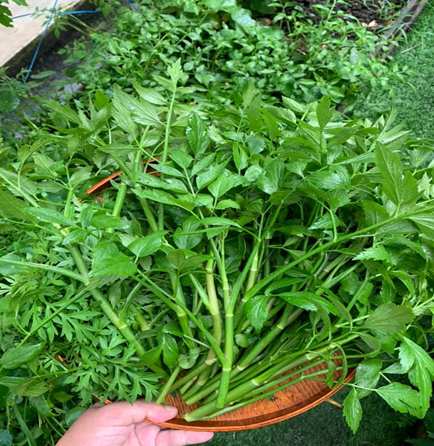
Another potential ulam is selom leaves. Scientifically known as Oenanthe javanica. Selom leaves are often eaten raw with rice and sambal belacan. Besides their refreshing taste, selom leaves are known for their various health benefits. One of its major benefits is help in improving the digestive system. The high fibre content helps to prevent constipation and maintains the gut health. Additionally, selom leaves are effective in lowering high blood pressure, making them a natural option for those with hypertension.
In conclusion, local ulam vegetables are not only delicious and refreshing but also offer a variety of natural health benefits. Therefore, efforts to preserve and promote ulam as traditional medicine should be continued for the health of future generations.
|
Daun selom
(Oenanthe javanica)
|
|
Peria katak
(Colubrina asiatica)
|
|
|
Beluntas
(Pluchea indica)
|
|
References:
- Dr. Mohd Shukri Mat Ali & Abdullah Md. Zain. (2010). Article in AgroMedia (Issue 32, p. 11). AgroMedia. ISSN 1551-094X.
- Berita Harian. (2023, August 2). “The ‘Sweetness’ of Bitter Melon with 1001 Health Benefits.” https://www.bharian.com.my
- Musa Yaacob, Azimah Abd. Kadir & Zaharah Hasan. 2009. Popular Medicinal Plants. Malaysian Agricultural Research and Development Institute (MARDI), Kuala Lumpur, p. 101.
Prepared by:
Rafina Syhadilla binti Md. Rafi
Date of Input: 31/07/2025 | Updated: 31/07/2025 | hasniah
MEDIA SHARING